Safeguarding client funds is one of the most fundamental ethical obligations in legal practice. Attorneys hold client money in trust, creating a fiduciary duty that demands the highest level of accountability and precision in financial management.
Failure to properly manage these funds can result in disciplinary action, malpractice claims, and potential criminal charges, making concrete trust accounting procedures essential for every practicing attorney.
While traditional two-way reconciliation methods may seem adequate, they fall short of the comprehensive oversight required by most state bar associations.
The majority of jurisdictions now mandate three way reconciliation as the standard for IOLTA compliance, recognizing that this enhanced method provides the thorough verification necessary to detect errors, prevent commingling, and ensure complete accountability.
This article explores the key concepts and considerations involved in three way reconciliation, providing insights into the components and practices that support effective trust accounting management.
What Is Three Way Reconciliation?
Three way reconciliation is the process of comparing and verifying that three separate financial records match exactly: your trust account's general ledger balance, the total of all individual client ledger balances, and your bank statement balance.
This verification ensures that every dollar in your trust account is properly accounted for and correctly allocated to the appropriate client matter.
Unlike standard bank reconciliation that simply matches your records to the bank's records, three way reconciliation adds the critical step of verifying that client-specific allocations are accurate and complete. Here’s more information on the components of three way reconciliation.
Book Balance
Trust ledger reconciliation maintains your firm's official record of the IOLTA account balance as it appears on your financial statements.
Since IOLTA funds don't belong to your firm, this account should always have a corresponding liability account with an identical balance, ensuring these client funds don't artificially inflate your firm's value on the balance sheet.
Your trust ledger captures every transaction affecting the trust account and provides the comprehensive record that serves as your central control point.
While this balance may temporarily differ from the bank balance due to outstanding checks or deposits in transit, it must ultimately reconcile with both the adjusted bank balance and the sum of all individual client ledgers.
When maintained accurately, this record becomes your primary tool for identifying system-wide discrepancies and ensuring complete accountability for client funds.
Client Matter Balances
General ledger reconciliation involves verifying that the sum of all individual client balances equals the total balance shown in the trust account's general ledger.
This process requires careful review of each client's specific transactions and running balances to ensure that funds are properly allocated and that no client account shows a negative balance.
This component provides the detailed client-specific verification that distinguishes three way reconciliation from simpler bank reconciliation methods.
By confirming that individual client allocations are accurate and complete, this process prevents the misallocation of funds between clients and ensures that each client's money is properly safeguarded and accounted for.
Trust Account Statement
Bank statement reconciliation focuses on verifying the actual cash position in your trust account by comparing your records to the bank's official statement.
This process should be completed promptly after receiving each monthly statement, as timely reconciliation helps catch fraud early and ensures you can report bank errors before losing your right to corrections.
The reconciliation involves reviewing all deposits, withdrawals, and fees shown on the statement while accounting for timing differences such as outstanding checks and deposits in transit that haven't yet cleared.
It's good practice to have a senior partner open and initially review bank statements, and ideally your bank should provide cleared checks or copies for examination.
Old, uncleared transactions require special attention; most state bars have specific rules about how long you can hold these funds before locating the rightful owner or turning them over to the state.
Note:
- The timeframe after which uncleared checks are considered stale and should be turned over varies by jurisdiction, typically 90 days to 2 years.
- Some jurisdictions allow bank fees to be paid directly from a firm matter in IOLTA for nominal amounts, but others forbid it.
Why It’s Required
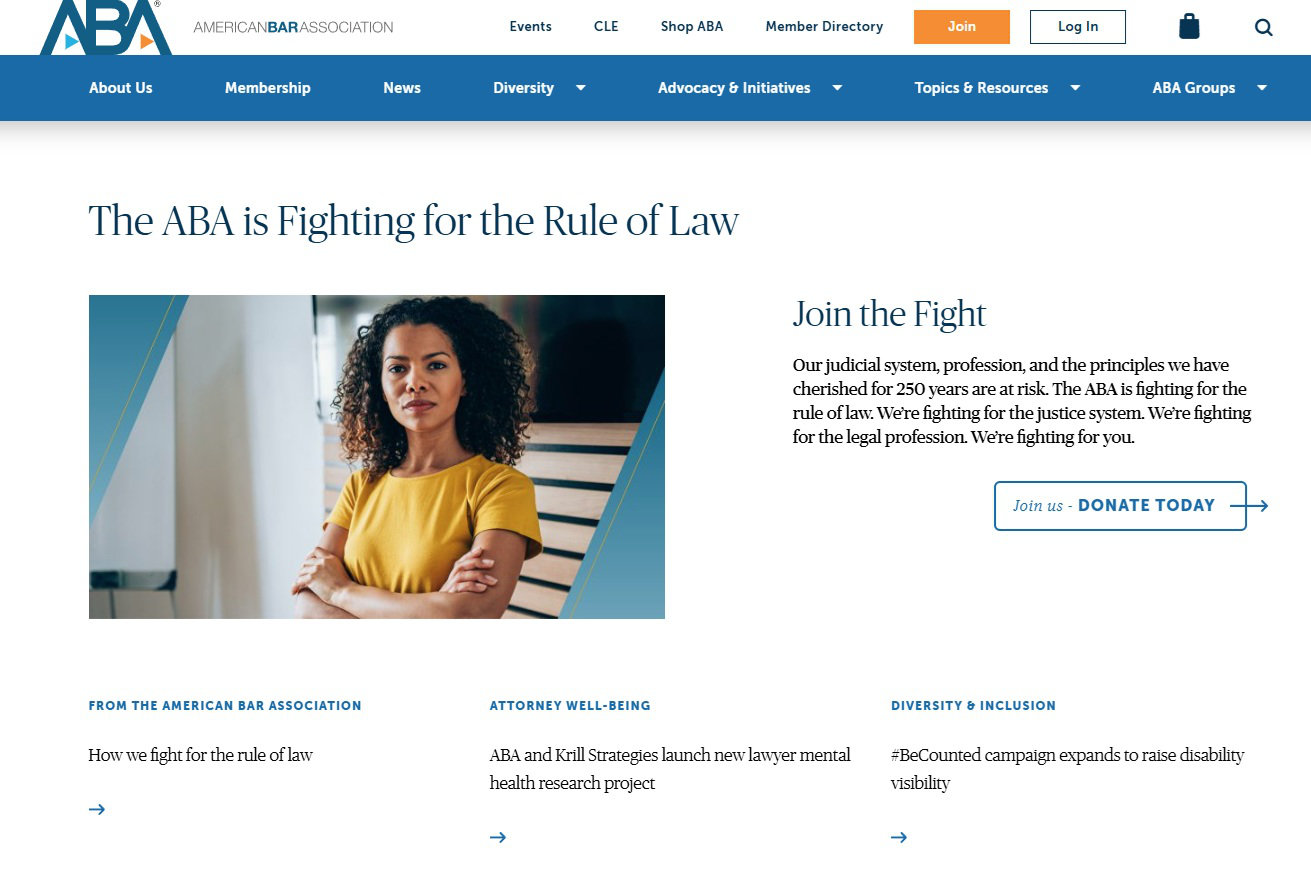
The American Bar Association Model Rules and state bar associations mandate strict trust accounting procedures to ensure attorneys meet their fiduciary obligations to clients.
Most jurisdictions specifically require three way reconciliation as the minimum standard for IOLTA compliance, recognizing that lawyers who handle client funds must demonstrate the highest level of financial accountability and ethical conduct.
Beyond regulatory compliance, three way reconciliation serves as a critical safeguard against errors, fraud, and the inadvertent commingling of client funds with attorney operating accounts.
This verification process creates transparency in trust account management and ensures attorneys remain audit-ready, providing the documentation and accuracy necessary to demonstrate proper stewardship of client funds to regulatory authorities.
Compliance Implications and Audit Preparation
Proper IOLTA management extends far beyond monthly reconciliation procedures to include thorough documentation, internal controls, and audit readiness.
State bar associations conduct regular examinations of trust accounts, and attorneys must maintain detailed records and robust procedures to demonstrate compliance with professional responsibility rules.
The consequences of inadequate compliance preparation can be severe, ranging from professional discipline to malpractice claims and potential criminal charges.
Understanding the documentation requirements, internal control expectations, and audit procedures helps attorneys proactively manage their trust account obligations and respond effectively to regulatory scrutiny.
Documentation Requirements
State bar associations typically require attorneys to retain reconciliation records for periods ranging from five to seven years, depending on jurisdiction.
These records must include not only the monthly reconciliation worksheets but also all supporting documentation such as bank statements, deposit slips, canceled checks, and transaction records that substantiate each entry.
Maintaining a complete audit trail is essential for demonstrating the accuracy and integrity of trust account management.
Whether using electronic or paper record-keeping systems, attorneys must ensure that all documentation is organized, accessible, and preserved according to their state's specific retention requirements to satisfy regulatory expectations during examinations.
Internal Controls and Procedures
Effective internal controls begin with proper segregation of duties, ensuring that no single person has complete control over trust account transactions from authorization through recording and reconciliation.
Approval processes for trust account transactions should require supervisory oversight, particularly for large disbursements or transfers between client matters.
Regular supervisory review of reconciliation procedures and trust account activity helps identify potential problems before they become compliance issues.
Comprehensive staff training and ongoing education ensure that all personnel handling trust funds understand their responsibilities and the critical importance of accurate record-keeping and ethical compliance.
External Audits and Examinations
State bar audit procedures typically involve comprehensive review of trust account records, reconciliation documentation, and internal control procedures.
Attorneys should prepare for these examinations by organizing records, ensuring reconciliation accuracy, and documenting their compliance procedures in writing.
Responding effectively to audit findings requires prompt acknowledgment of any deficiencies and immediate implementation of corrective measures.
When violations are identified, attorneys must demonstrate not only that problems have been corrected but also that preventive measures have been implemented to avoid future compliance issues.
Best Practices for IOLTA Management

Successful IOLTA management requires establishing systematic procedures that go beyond compliance.
Implementing the following helps to prevent problems before they occur and ensures that trust account management supports both client service and professional responsibility obligations.
Monthly Reconciliation Procedures
Establishing consistent reconciliation schedules ensures that trust account verification occurs promptly, typically within 30 days of each month-end.
Building quality control into your process means having someone other than the preparer review the reconciliation work and verify supporting documentation, which helps catch errors before they snowball into bigger problems.
Needless to say, your documentation and filing systems should work for you, not against you. When records are organized and easily accessible, both monthly reconciliation and unexpected audit preparation become much more manageable.
Lastly, error correction procedures should address not only the immediate problem but also identify and eliminate underlying causes to prevent similar issues from recurring.
Staff Training and Responsibility
Everyone on your team needs to know exactly what they're responsible for when it comes to trust account management, and more importantly, what happens when things go wrong.
Clear role definitions protect both your clients and your practice while ensuring efficient workflow.
Ongoing education keeps your staff current with changing regulations and best practices while constantly reinforcing why accuracy matters so much in this critical area.
Supervision and oversight protocols should include regular review of staff work and periodic assessment of compliance procedures to ensure they remain effective.
Professional development opportunities in trust accounting and ethics help staff to maintain competency and stay engaged with their responsibilities for protecting client funds.
Risk Management Strategies
Your standard malpractice insurance may leave you exposed when it comes to trust account problems, so make sure your professional liability coverage specifically addresses trust account errors and omissions.
Set up compliance monitoring systems that regularly assess your trust account procedures and give you early warning signs before small issues become major problems.
When problems do surface, having clearly defined corrective action procedures means you can respond immediately and document both the issue and how you resolved it.
Professional consultation resources, including specialized trust accounting consultants and ethics advisors, provide valuable support when complex issues arise or when implementing new procedures.
Common Reconciliation Challenges

Even the most well-managed trust accounts encounter reconciliation discrepancies that require investigation and resolution. Knowing the most common types of errors is step #1 towards implementing scalable solutions.
Effective problem-solving approaches not only correct immediate discrepancies but also strengthen internal procedures to prevent similar issues from recurring, creating more reliable trust account management over time.
Typical Discrepancies
Data entry errors and transposition mistakes represent the most frequent sources of reconciliation problems, often involving reversed digits or incorrect decimal placement that can create significant variances.
Misallocated payments or disbursements between client matters can compound over time, making detection and correction increasingly difficult without review procedures.
Then there’s timing differences in recording transactions; these might frequently occur when deposits or checks are recorded in different accounting periods than when they actually clear the bank.
Lastly, bank fees that aren't promptly recorded in trust account ledgers may create ongoing reconciliation challenges and may indicate inadequate monitoring of account activity and service charges.
Red Flags to Watch For
Negative client balances should set off alarm bells immediately as they represent serious compliance violations that mean client funds may have been improperly used or allocated to cover another client's expenses.
Then there’s the issue of missing documentation. This creates a double problem: it makes reconciliation nearly impossible and puts you at serious risk during regulatory examinations when you can't properly verify transactions.
Beyond these obvious violations, unexplained variances that keep showing up month after month signal deeper problems that won't resolve themselves and require thorough investigation plus changes to your procedures.
Don’t forget to watch for irregular transaction patterns like unusual timing of deposits and withdrawals or transactions that don't match your typical client service activities.
These anomalies often indicate procedural breakdowns or areas that need additional oversight.
Ensuring Long-Term Success
Monthly reconciliation represents a non-negotiable foundation for ethical law practice, protecting both clients and attorneys from the serious consequences of trust account mismanagement.
Every law firm, regardless of size or practice area, must implement robust reconciliation procedures to meet professional responsibility obligations and maintain the integrity essential to legal practice.
Proactive adoption of appropriate tools, procedures, and comprehensive training creates the framework necessary to stay audit-ready and minimize errors before they become compliance problems.
By treating three way reconciliation as an integral part of practice management rather than a burdensome obligation, attorneys can protect their clients, their practices, and their professional reputations while maintaining the highest standards of ethical conduct.
For more info on the subject, please see our curated IOLTA resources for law firms or schedule a consultation with us.